
Tweenhood doesn't look like it used to

The tweens of today are robbed of their childhood—and it’s not their fault.
Walking through the middle and elementary school recently, I was struck by how grown-up the students looked and acted. Stanleys lined the cubbies as girls wore clothing that wouldn’t look out of place in my high school hallways.
Justice. Fidget spinners. Slime. Rainbow loom bracelets. Legos. All fads and hallmarks of my childhood seem so immature in comparison.
Looking back as a high school sophomore, that in-between phase of not being a kid anymore but also not yet a full-on teen was characterized by awkwardness. And, in my opinion, that’s the way being a tween/preteen is meant to be. Polka-dot leggings, motivational graphic tees, and bold statement pieces were cringe-worthy outfits, but the pinnacle of childhood.
It may seem biased as someone who lived through that era of tweenhood to designate a right and wrong as to how one should live their tween years, but I’m not blaming them. This shift marks a more systemic issue that isn’t just about the “Sephora kids” who are ruining makeup and skincare displays; it’s about the root of it all: social media.

“This was Coachella, 2016.” – Kendall Jenner
Social media is no longer the little thing that it was to share birthday posts on Facebook; rather, it has truly transformed to the point of dictating the world of the internet. It’s the social hub, where the most clicks and web traffic go, instead of more “random” websites you had to discover, like girlsgogames.com or obscure Reddit forums to pass your time.
Seeing videos of tweens and kids these days asking for Uggs and skincare on their Christmas lists struck a chord in me.
While I recognize that trends come and go, it’s interesting to see how the trends aren’t kid-specific. According to Dazed Digital, “If you ask a 13-year-old what she wants, it’ll sound like a 21-35-year-old woman’s wishlist: Lululemon, Telfar, Kylie [Cosmetics], Fenty make-up.”
Tweenhood didn’t just die on its own, it was forced out because it wasn’t profitable anymore. The most profitable things are what’s in style or what’s trending, but what if what’s trending is dominated by adults?
“Young adults (18-24 years) make up over half of the creators (52.83%) on TikTok. While [users] under 18 make up a comparatively low 27.47%,” according to data from Exploding Topics.
So it’s not their fault that they’re dressing older and acting older; it’s due to a shift in the age group from whom tweens are hearing and getting their information from the most.
There was a time when malls and magazines were littered with tween-specific brands such as Limited Too, Claire’s, and Justice, which fostered the colorful, awkward phase that is now so nostalgic.
But awkwardness doesn’t sell, so brands have been quietly ditching this once crucial in-betweener demographic. This leaves tweens innately imitating adults because there’s no space left to cater just for them. Sadly, there is no difference in consumer habits between a tween and a young adult, so brands don’t classify them as any different, but instead, just expand their customer base.
All that this does, though, is label consumerism as “okay” from a very young age, setting up overconsumption and overspending as the “norm” for their future adult lives. It’s proven that children are more susceptible to marketing, so it’s much easier for companies to sell their $40 lip liners and serums to 12-year-olds instead.
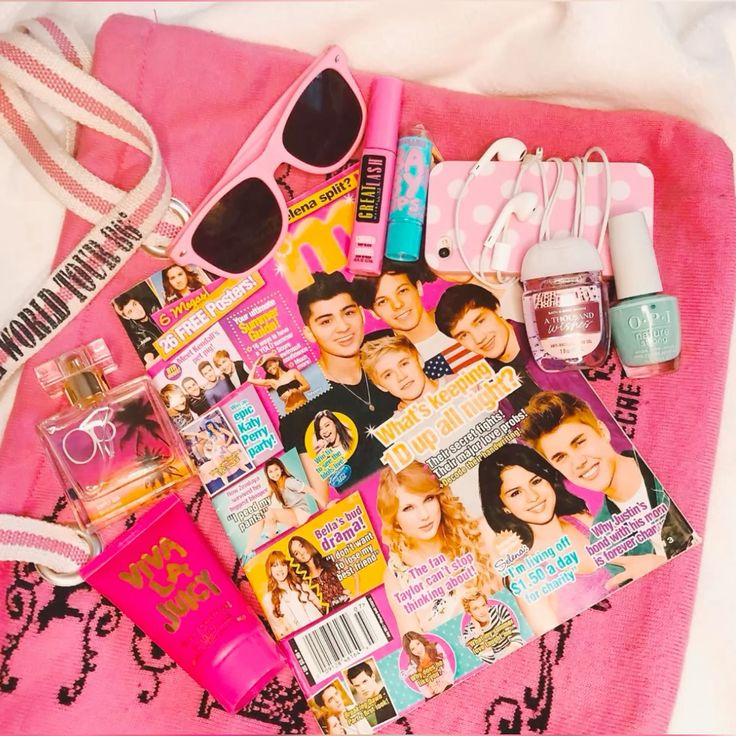
This was the vibe at the time, okay??
Due to this cycle, the pressure to be an adult has never been stronger, causing an adultification of tweens and an acceleration of childhood, which, as it goes without saying, is unhealthy and can lead to serious mental health struggles. What’s more, it’s a loss of a transformative time that they will never be able to go back and relive.
I came across a TikTok that described this toxic phenomenon perfectly. A woman asked her therapist when she would start to feel like an adult, and the therapist responded with something along the lines of: maybe the reason you don’t feel like an adult is because you had to grow up too quickly—and in doing so, you lost your connection to childhood.
Girls are constantly looking and probably even admiring the young women they see on apps like TikTok and are bound to compare their bare faces to them, failing to recognize that the adults on their screens inevitably experienced the same discomfort before growing into the women they are now. It’s also important to note that the influencers and content creators influencing young, female audiences may have had cosmetic surgery done, further perpetuating unrealistic expectations.
And the irony of it all is that most adults focus all their energy on making themselves look young and youthful, but all the tweens see is that they want to look like them, creating a confusing dynamic that can lead tweens to feel new societal pressure to neglect their “awkward phase” entirely. It’s unfair that the tweens of today are being robbed of the once-universal rite of passage.
So, when tweens scroll through TikTok to see endless GRWMs (Get Ready With Me’s) and skincare and PR hauls, of course, they’re trying to look older. In their mind, it’s not trying to grow up fast, it’s just trying to fit in with the cultural norms set in place for them. The current version of “what’s cool.”

Top “GRWM” results with tens of thousands of likes.
No one’s making space for that middle ground anymore. The characters made for their age group don’t exist the way they used to. Instead, they’re watching shows with more mature themes that were initially marketed towards older teens and adults, like Euphoria, Skins, The White Lotus, 13 Reasons Why, Shameless, etc.
But media consumption has changed for tweens. It was easy when virtually all tweens were on cable TV, watching Disney Channel shows like That’s So Raven, Good Luck Charlie, Liv and Maddie, and Cartoon Network, and High School Musical because everyone was exposed to the same/similar stream of entertainment. With the rise of streaming platforms and YouTube being a “free for all” and less of a curated focus on tween television, it just makes dependency on those more mature shows stronger. It’s an algorithm subliminally promoting the adultification of kids.

Poster for the High School Musical trilogy.

Disney’s Jessie poster.
Although this is the norm that most tweens fall for, there are some who do want to consciously push back against their own adultification.
New Roads 7th grader, Alanna Morera, describes her wise philosophy for navigating this social media-run world: “Slow down. There’s no rush, we’re all gonna get there eventually”.
“You have your whole life to be an adult, but only a couple years to be a kid.”
So, tweens, this isn’t your fault. Despite what most articles and adult journalists are saying about this topic, using a seemingly accusatory stance with the moral of the story being that kids should just not use or be exposed to social media at all, outright banning evades the real issue. Using this as a learning opportunity to encourage meaningful conversation about safe internet usage is much more valuable and will actually help them as adults.
The more valuable lesson here is to face the truth: social media isn’t going away, it’s here to stay. It’s something that future generations and the current generation of kids need to learn to responsibly navigate and coexist with.
Tweens deserve the space to be a little dorky and awkward, to make cringey fashion choices, and to exist in that weird in-between without pressure. Let’s give that back to them.
Long live a fashion sense dominated by Justice, Rainbow loom drip, and slime so neon and glittery it’s a biohazard— the whole sha-bang.


Comments